Category
Hardware
50
%
Shortening the work process


Digital Twin

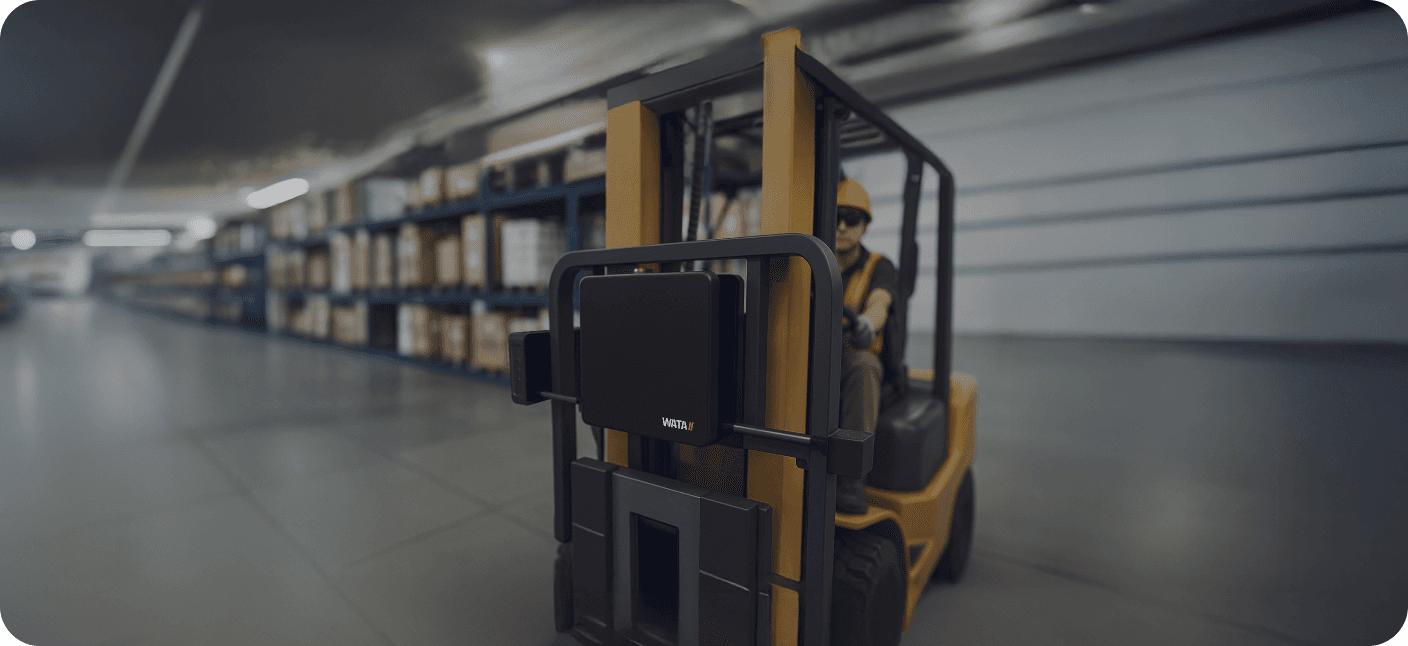
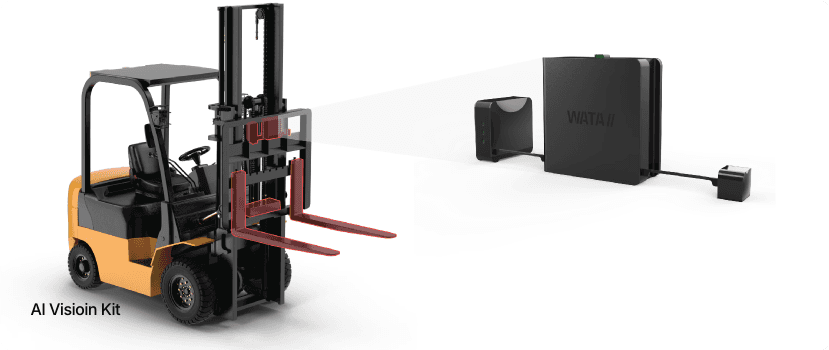
The AI Vision Kit recognizes the location and movement path of forklifts, as well as work motions, in real-time based on the video from the job site.
Core Tech.
Real-time Forklift Position and Motion Recognition
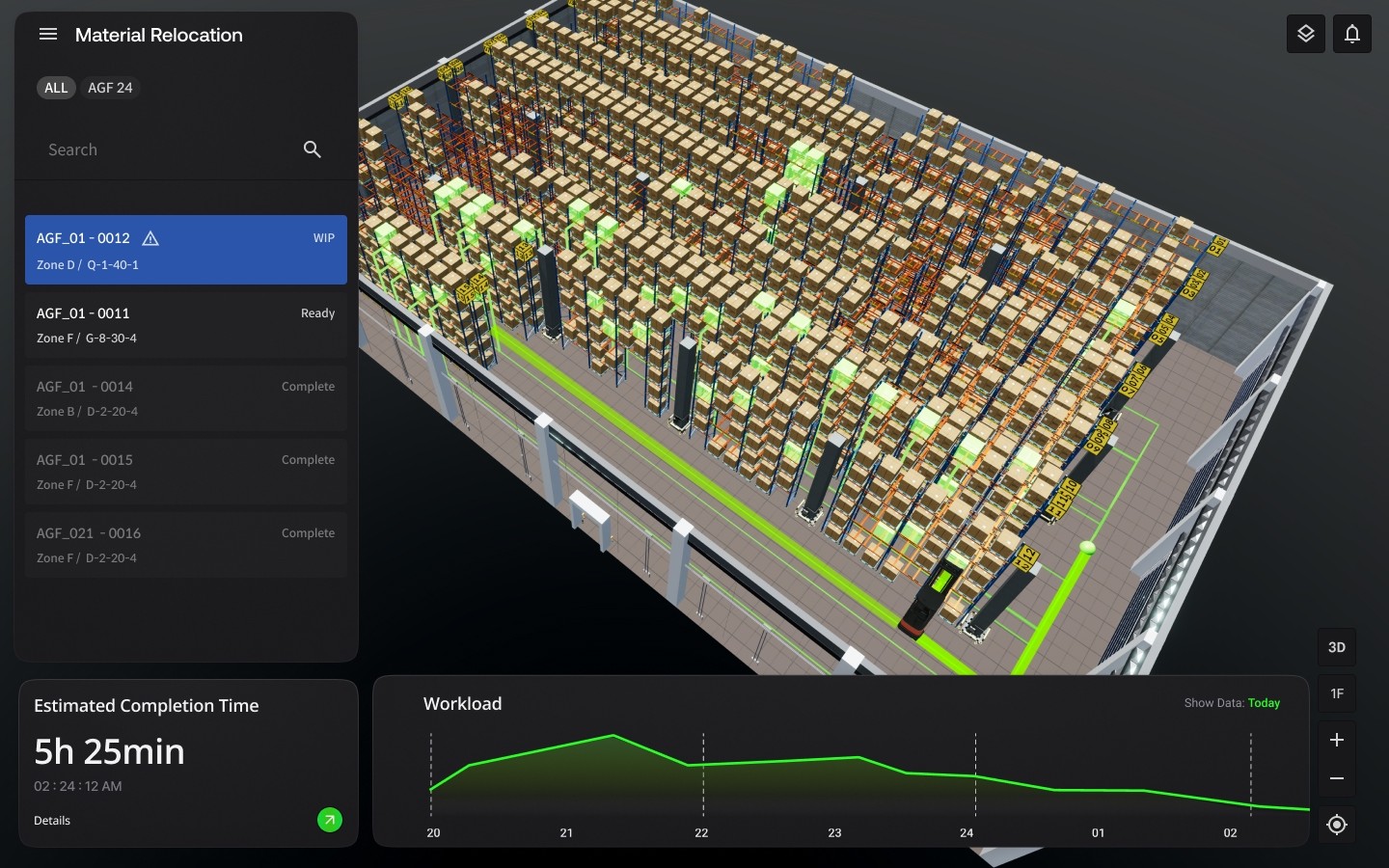
WATA AI's forklift motion recognition and digital twin technology precisely implements the logistics site in a twin environment based on real-time data collected through the Vision Kit. It automatically collects and maps detailed motion data such as the forklift's movement path, fork height, and steering status through AI-based PCD (Point Cloud Data) analysis.
By analyzing the relationship between fixed facilities and moving objects in the workspace in real-time, it instantly visualizes the forklift's operating status and the information of loaded cargo (weight, shape, position). This not only prevents blind spot collision risks in advance but also provides optimized operating routes and work scenarios to dramatically increase logistics processing speed and work efficiency.
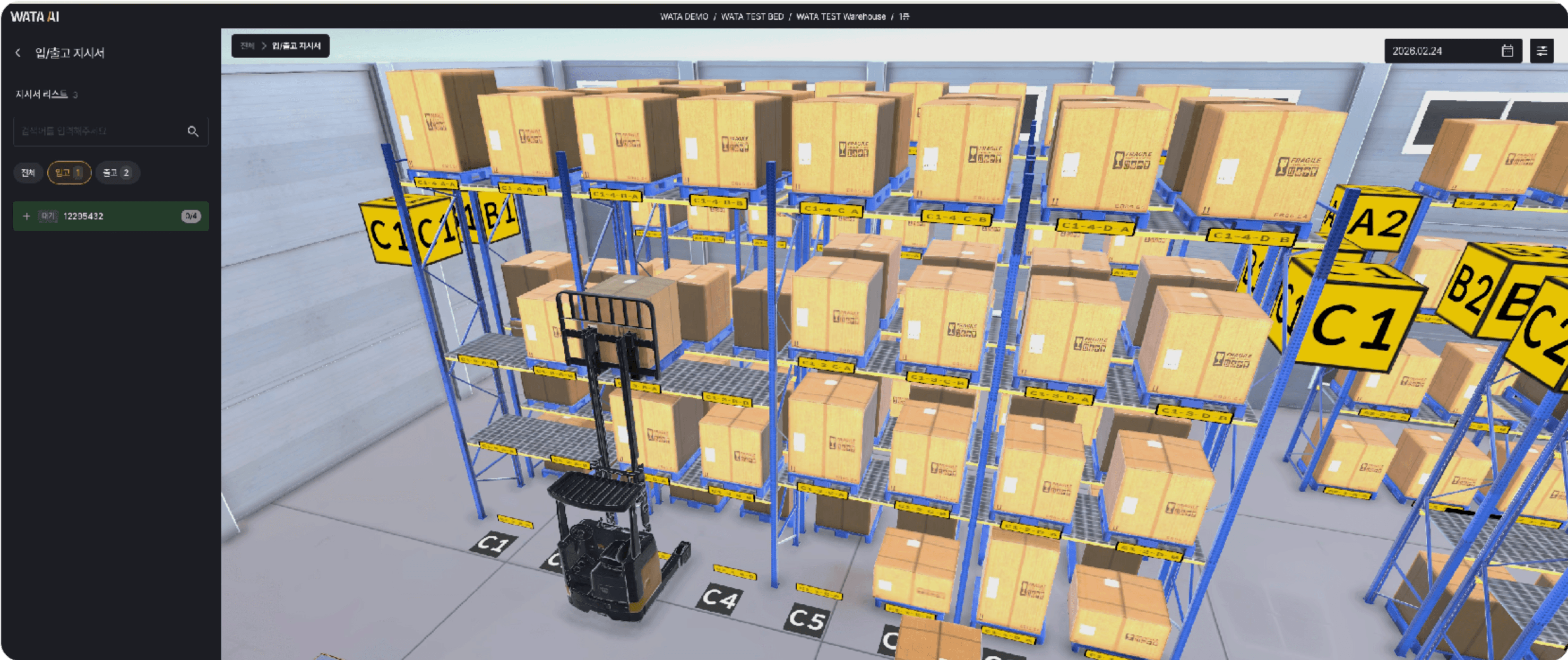
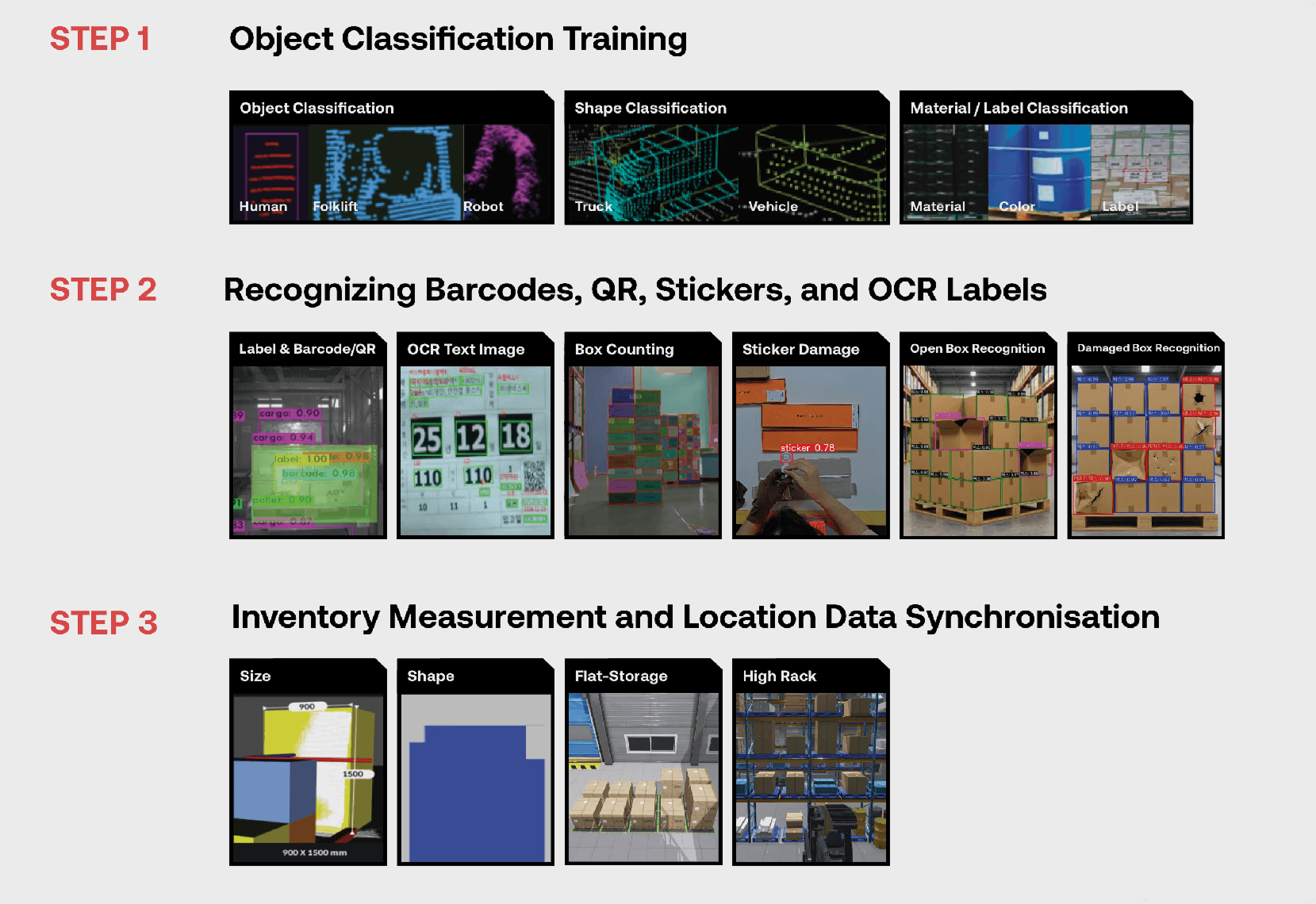
Automatic Recognition and Analysis of Logistics Objects and Identification Information
Through AI Vision technology, various logistics data such as logistics ID, type, dimensions, size, shape, and location information are automatically recognized.
Information on pallets, boxes, labels, etc. is captured in real time to convert on-site logistics flow into digital data.
In addition, Vision AI algorithms are used to precisely analyze various logistics data.
Through this, logistics status and work information are analyzed and recorded as accurate data.
Automated Weight Data Collection
Based on sensors, weight data is automatically collected during forklift picking and transport processes.
Weight information is secured in real time within the workflow without a separate manual measurement process,
and the dedicated workspace and process previously required for weight measurement can be eliminated.
Through this, it is possible to shorten work routes, reduce labor input, and minimize human error,
while structurally improving logistics operation efficiency.
Automatic weight/size measurement solution
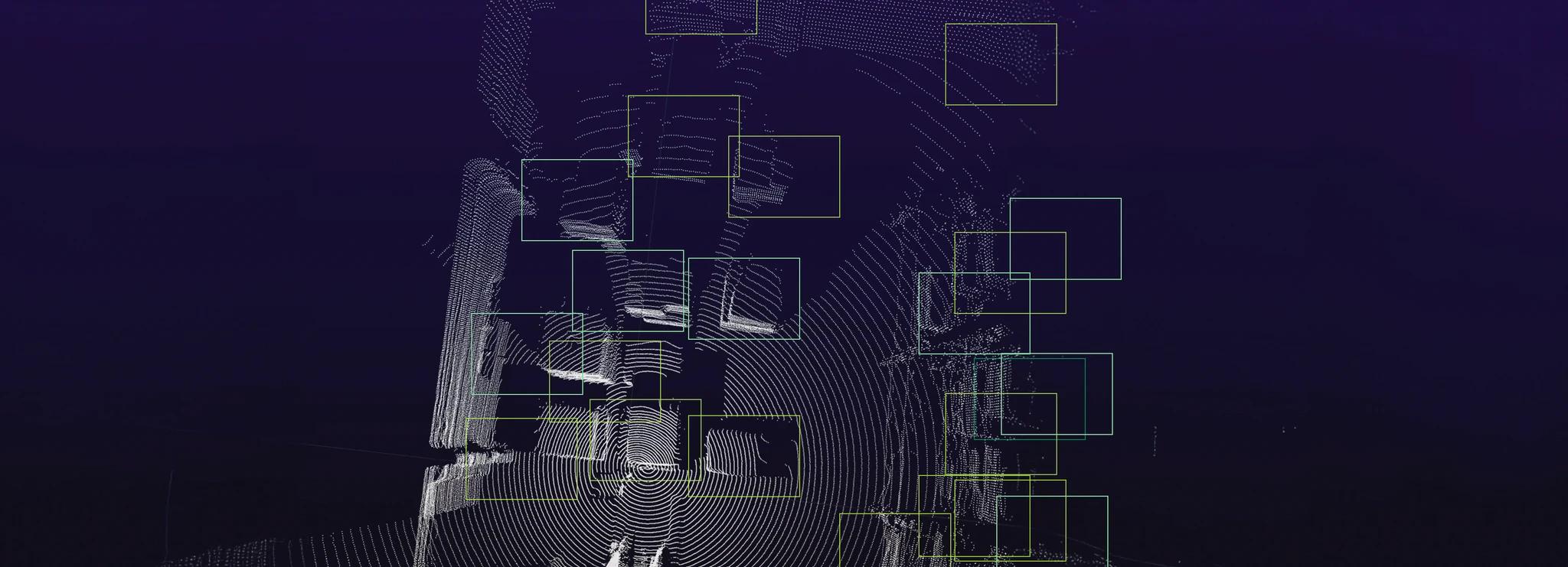
AI-Based Automatic Analysis and Integration of PCD Data
WATA AI's Vision Kit and weight sensors automatically collect, map, and analyze data on fixed and mobile objects within the warehouse through AI-based PCD data automatic analysis and integration features. It accurately handles real-time logistics data, labeling and visualizing various data, including spatial information, shelf information, logistics information (size, weight, shape, location), pallet material and label count, and loading cargo color. Based on this, it optimizes entry and exit locations and operational routes, significantly enhancing logistics efficiency and operational stability.
Intelligent Logistics Operation Decision Support
By integrating mapped logistics data and real-time information of forklifts, it determines optimal loading locations and provides efficient work instructions and shortest routes for individual equipment, thereby optimizing the entire process of warehouse operations and maximizing productivity.
Category | Main Functions | Operational Value |
Data Integration | Mapping Logistics and Location Information | Ensuring real-time asset visibility and enhancing data integrity |
Smart Judgment | Optimal Loading Location Decision-Making | Increasing warehouse space efficiency and optimizing inbound and outbound strategies |
On-Site Optimization | Customized Work Instructions by Forklift | Preventing worker confusion and improving equipment utilization |
Route Guidance | Support for Optimal Travel Routes | Eliminating unnecessary movement paths and reducing work time |