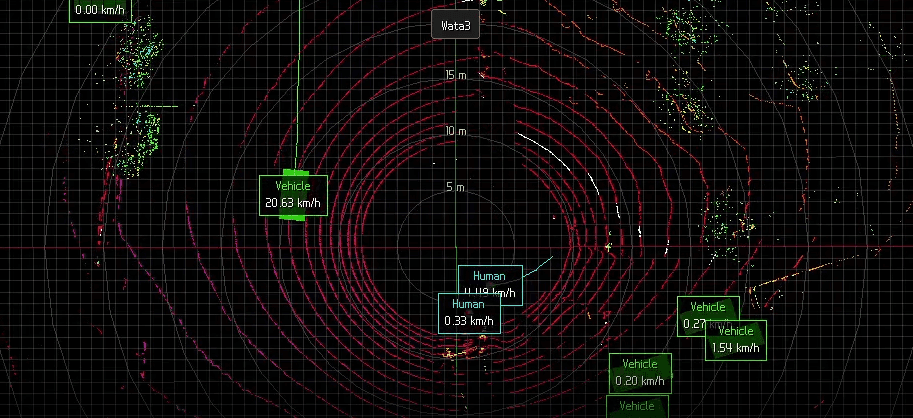
AI-based high-precision object recognition and positioning
Category
Software
99
%
3D Object Recognition


Location positioning field

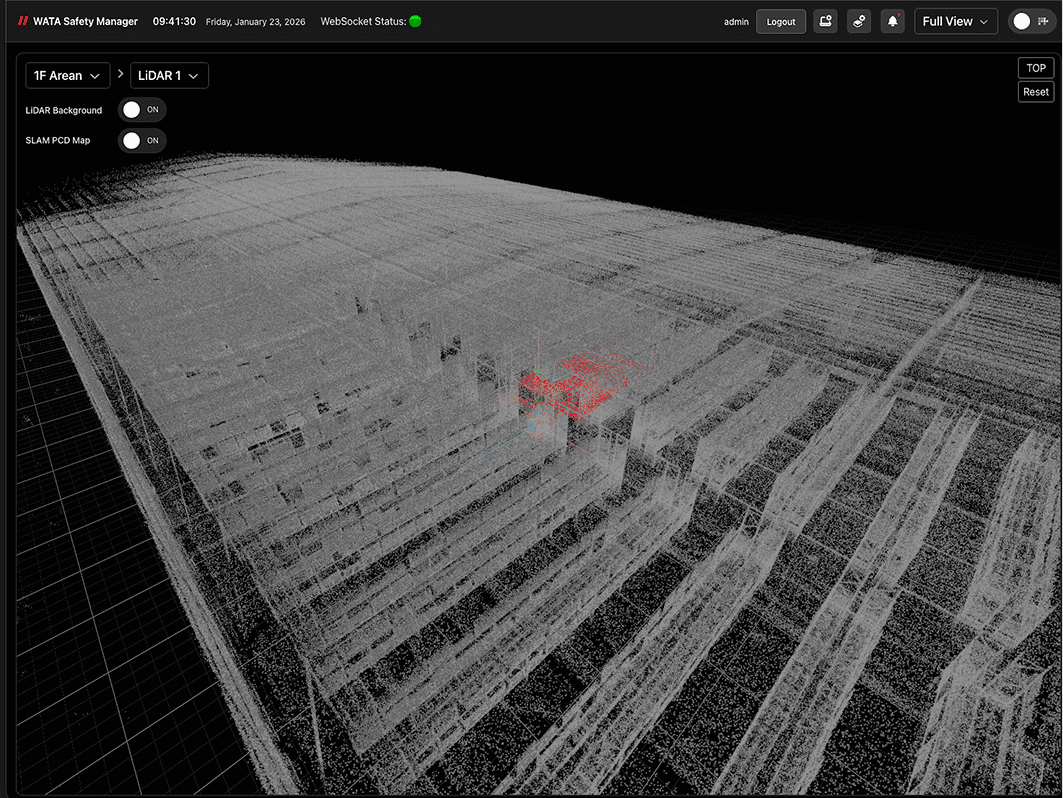
Through 3D LiDAR-based SLAM technology, it provides precise map generation and stable localization even in complex indoor and industrial environments.
Core Tech.
Camera-LiDAR-based Converged SLAM Localization
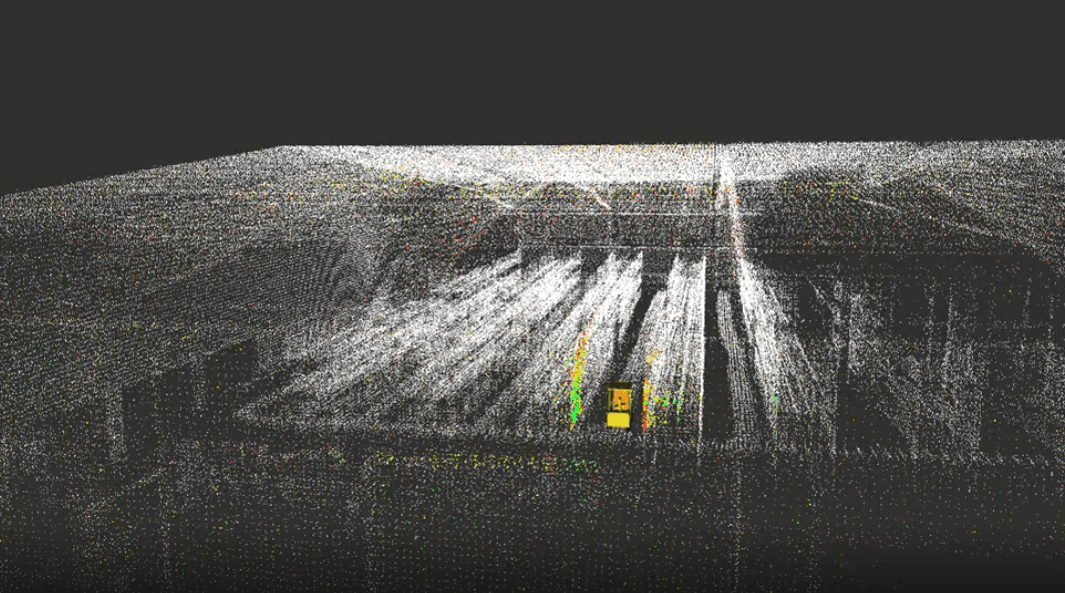
Through a multi-sensor-based SLAM technology that fuses cameras and LiDAR, it provides precise positioning and stable spatial perception performance.
By combining LiDAR’s distance and shape information with the camera’s visual information, it achieves high accuracy and reliability even in environments with repetitive structures or a lack of feature points. In addition, by simultaneously utilizing 3D spatial information and image data, it realizes high-precision spatial understanding that recognizes objects, structures, and work zones together, and is being extended and applied not only to autonomous mobile robots, driverless forklifts, and digital-twin-based logistics systems, but also to safety management areas such as hazardous zone detection and access control.
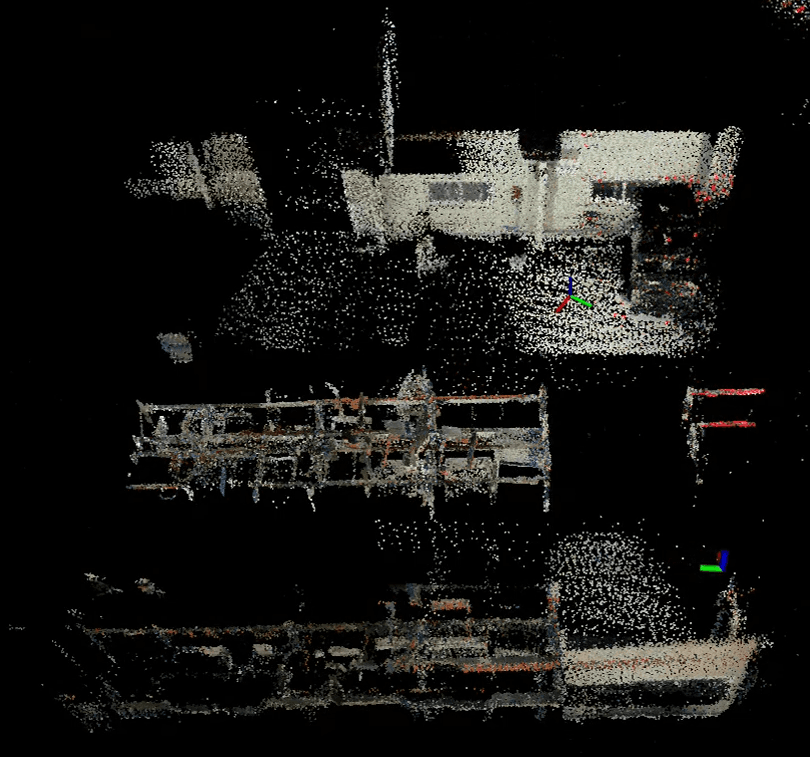
PCD Map-Based Automated Shelf Labeling
Using deep learning-based PCD map analysis, we automatically identify shelf, storage area, and aisle structures within warehouses, and provide technology that precisely labels shelf-level location information and structure. By analyzing PCD data generated by LiDAR with AI, spatial structures are precisely interpreted based on a consistent standard, automating the map organization process that previously depended on manual work and enabling fast, accurate spatial data construction even in large-scale warehouse environments.
Based on this, we implement a high-precision digital twin linked to the actual warehouse, and it is used as core infrastructure that goes beyond simple visualization to support logistics flow tracking, location-based data utilization, equipment integration, and operational optimization.
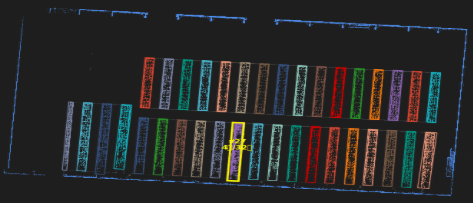
AI-Based Automatic Analysis and Integration of PCD Data
WATA AI's Vision Kit and weight sensors automatically collect, map, and analyze data on fixed and mobile objects within the warehouse through AI-based PCD data automatic analysis and integration features. It accurately handles real-time logistics data, labeling and visualizing various data, including spatial information, shelf information, logistics information (size, weight, shape, location), pallet material and label count, and loading cargo color. Based on this, it optimizes entry and exit locations and operational routes, significantly enhancing logistics efficiency and operational stability.
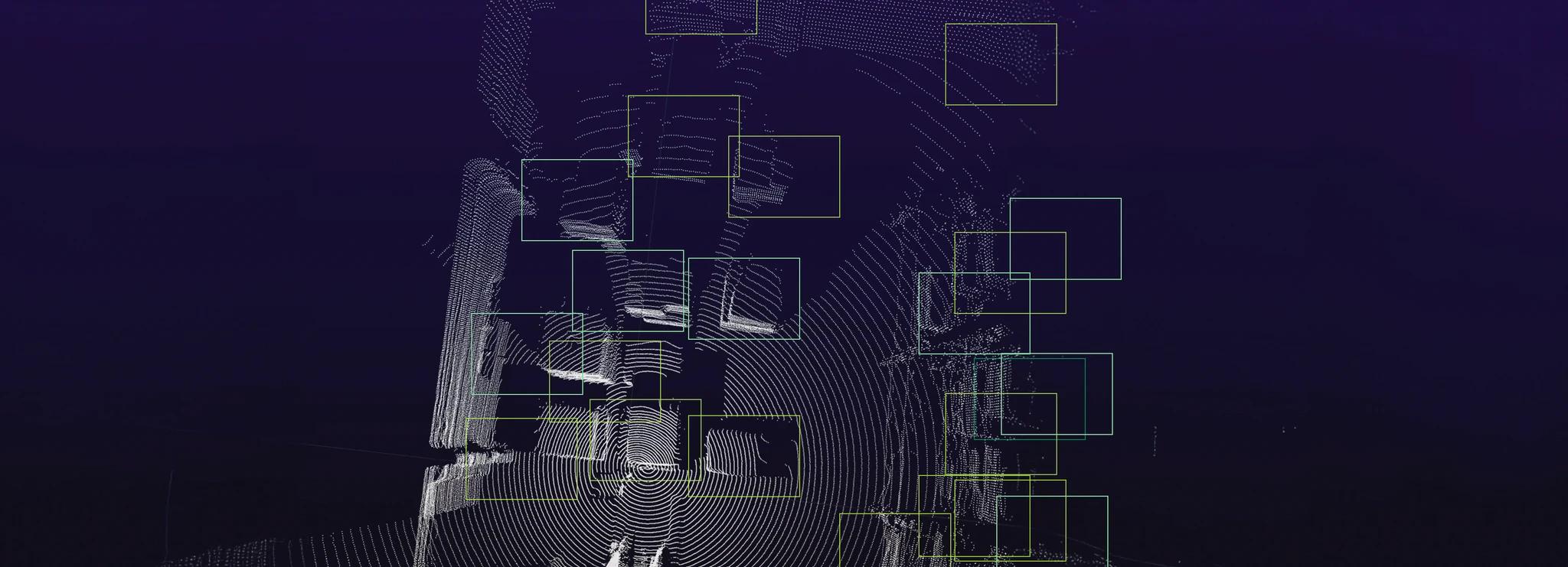
3D Deep Learning Multi-Object Recognition
Through AI-based deep learning multi-object recognition technology, it provides high-precision spatial awareness technology that can accurately detect and track various objects such as people, vehicles, and forklifts in real time, and analyze spatial relationships and movement patterns between objects.
It provides a data analytics foundation that can recognize hazardous situations based on interaction information such as distance, approach, and crossing between objects, and ensures scalability for application across various safety management areas, including large crowd-dense environments, industrial sites, public facilities, and traffic control.
As a result, it goes beyond simple object recognition and serves as a real-time situational awareness data infrastructure for safety management and operational optimization.