S Corporation auto parts logistics center

S Corporation auto parts logistics center

Automobile parts supply center

Introduction video

Category

Digital Twin - Action Twin

50

%

Shortening the work process

Industry sector

Digital Twin

Shortening the logistics processing process and quantitatively managing forklift productivity through an SLAM-based precision mapping and AI control system.

Background and Purpose

Background and Purpose

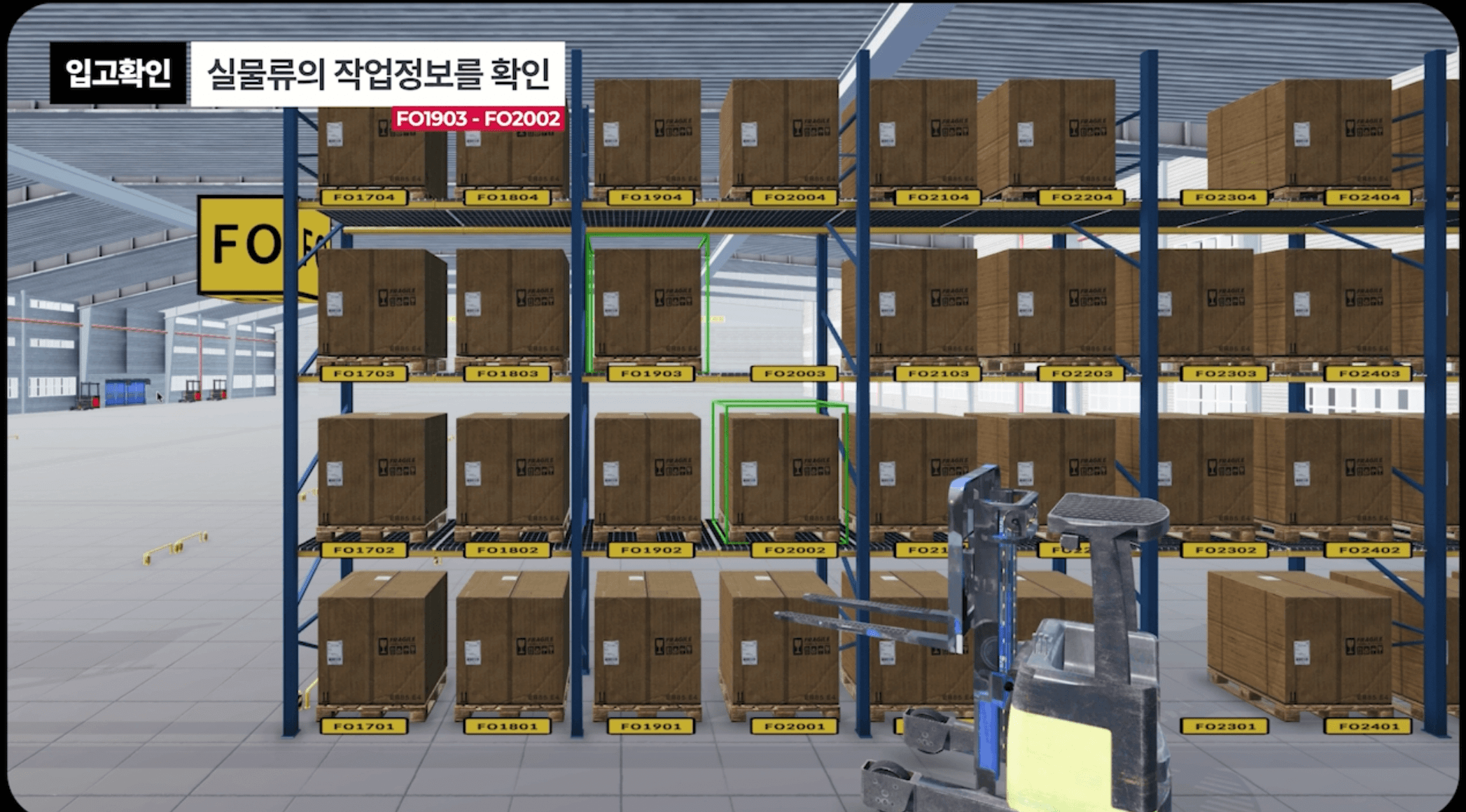
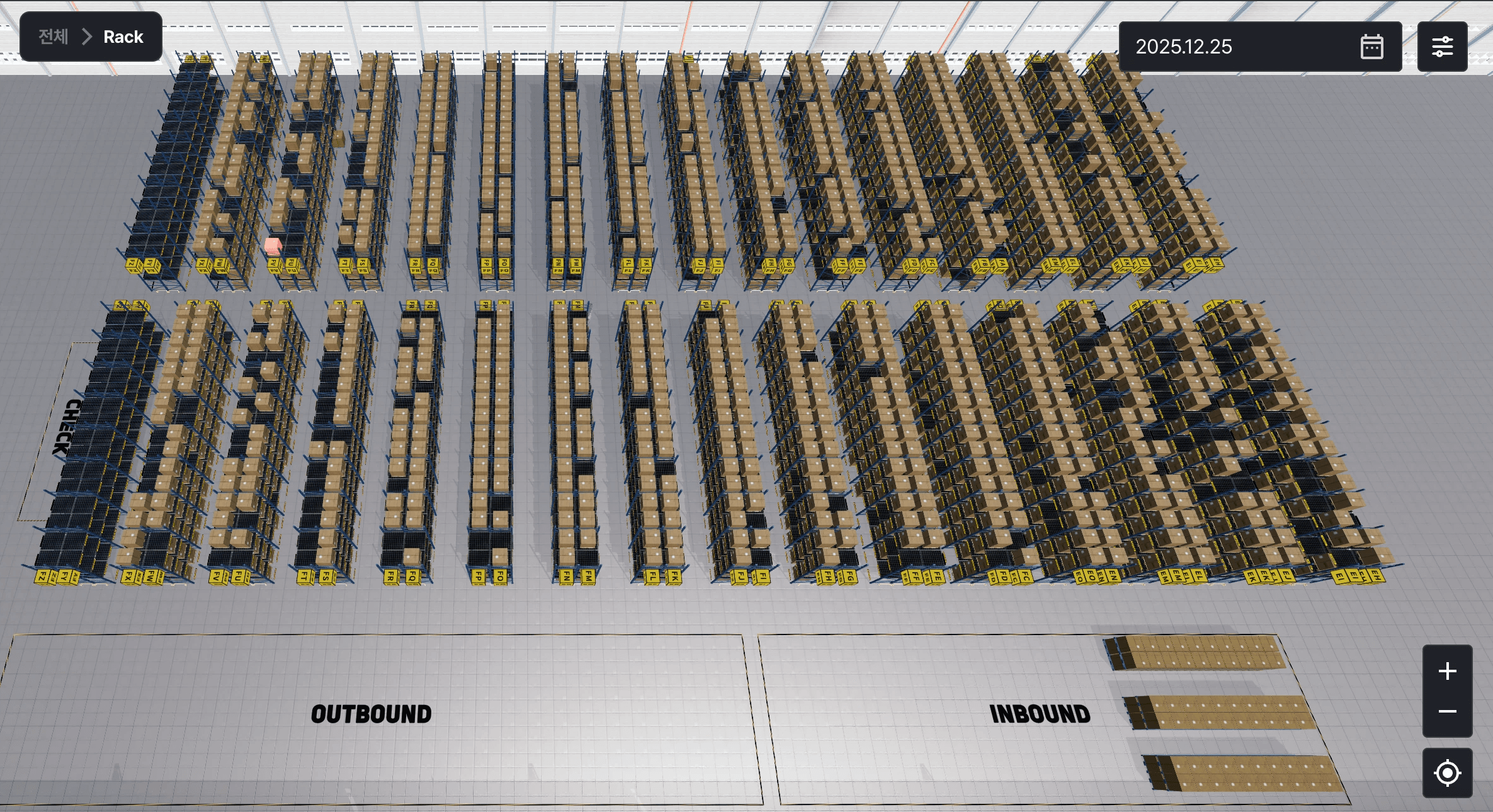
It has been introduced to manage complex logistics locations in a high-rack warehouse loaded with tens of thousands of automotive parts and to increase the efficiency of forklift movement. The aim is to shorten the logistics processing process and quantitatively manage forklift productivity through a SLAM-based precision map and AI control system.

It has been introduced to manage complex logistics locations in a high-rack warehouse loaded with tens of thousands of automotive parts and to increase the efficiency of forklift movement. The aim is to shorten the logistics processing process and quantitatively manage forklift productivity through a SLAM-based precision map and AI control system.

Images

Solution

Core Introduction Solutions and Changes

Utilized SLAM-based digital twins and AI Vision technology to secure on-site visibility and streamline operations.

Category

Before Introduction
(AS-IS)

After Introduction
(TO-BE)

Warehouse Map Construction

Manual drawings and visual checks

SLAM-based real-time digital twin construction

Forklift Control

Dependent on individual worker judgment

AI Vision Kit based real-time location/status control

Logistics Tracking

Manual tracking of location numbers

Immediate location tracking through the digital twin map

Productivity Management

Post-hoc manual reports and conjecture

Statistical data-based objective productivity analysis


Key introduction effects

Key Introduction Benefits
① Process Streamlining and Productivity Improvement
  • Reduced Lead Time: Reduced logistics processing time by over 50%, dramatically improving the turnover rate for inbound and outbound.

  • Forklift Optimization: Improved forklift productivity by 40% through real-time monitoring and route optimization.

② Optimization of Site Management and Securing Visibility
  • Real-Time Monitoring: Enhanced site management efficiency by monitoring the movements of forklifts and logistics in real time through the AI Vision Kit.

  • Precision Navigation System: Minimized navigation time and human error by immediately identifying the logistics location in a digital map within the high-rack structure.

③ Establishing a Data-Driven Operational Framework
  • Utilization of Statistical Data: Allocates workload and derives operational insights based on accumulated statistical data in the system, rather than subjective judgment.